
Lancaster County, PA
Interior Painting
Professional painting and finishing for repaired areas, individual rooms, ceilings, and trim — throughout Lancaster County and the surrounding areas.
What's Included
The paint is what makes the work look finished
Most of the painting we do comes at the end of another project — once the drywall is repaired or the trim is installed, the paint is what ties it back into the room. We also take on straightforward painting on its own.
Painting after a repair
Painting the wall or ceiling once drywall work is finished, so the repair area matches the rest of the room instead of reading as a patch.
Individual rooms & ceilings
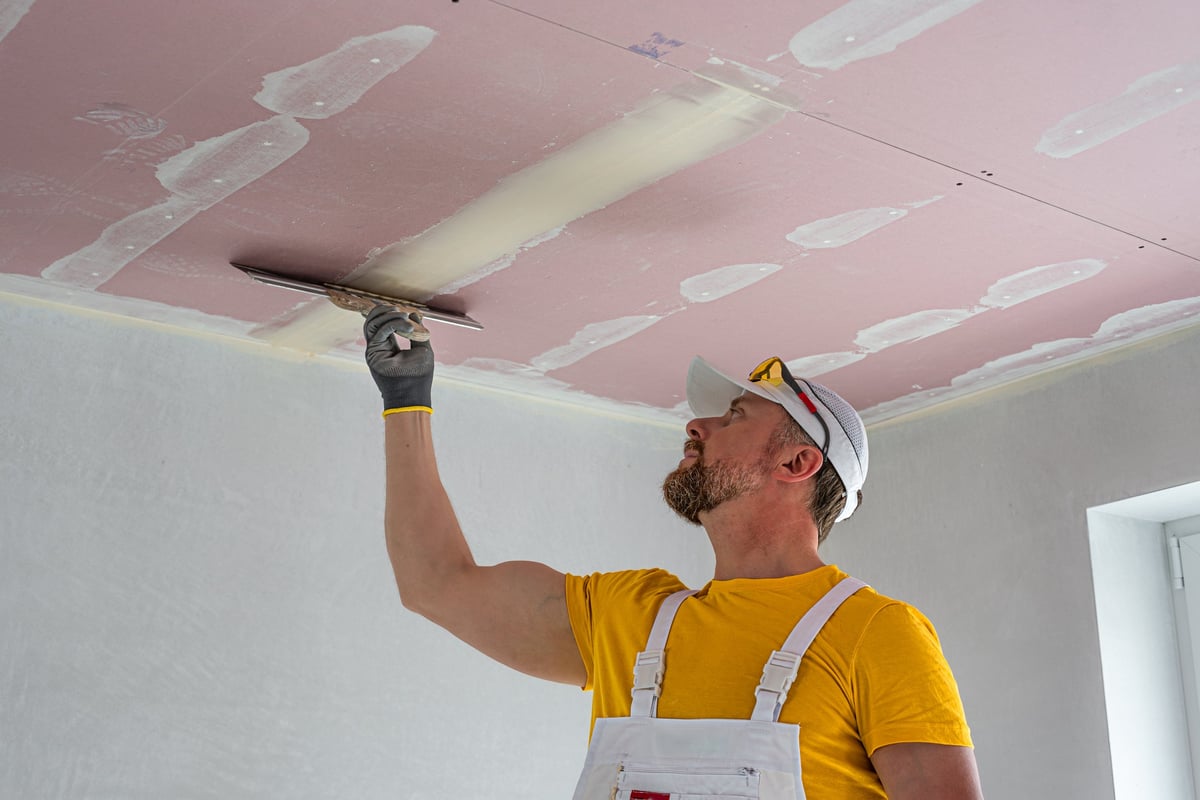
Painting a single room or ceiling — bedrooms, hallways, bathrooms, and ceilings that need a fresh, even finish.
Trim, doors & baseboards
Cutting in and painting trim, baseboards, casings, and doors, including the detail work that a roller alone won't get right.
Touch-ups & spot repair
Touching up scuffs, patches, and small areas so a room looks maintained without repainting the entire space.
Walls around new fixtures
Painting the walls around newly installed windows, skylights, and other openings, including the surrounding surface that has to blend in.
Prep & surface work
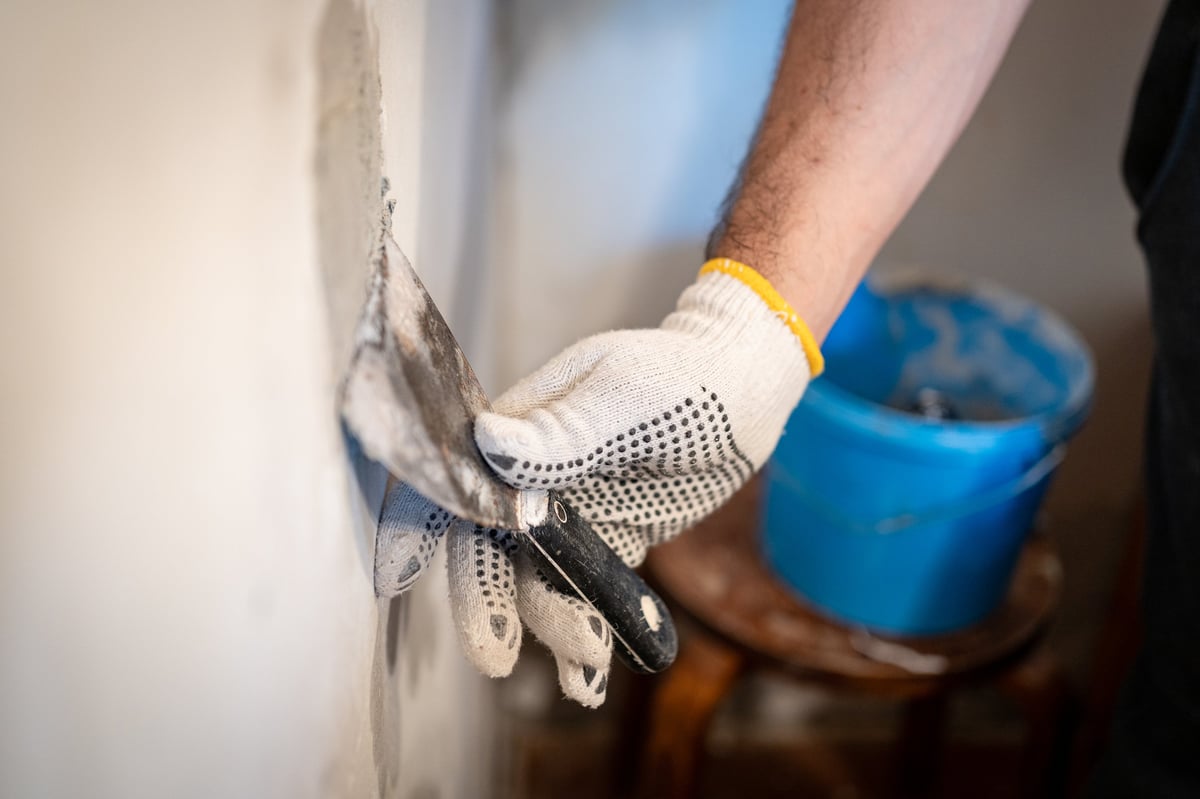
The filling, sanding, and priming that comes before paint — the step that decides whether the finished job looks smooth or shows every imperfection.
What Paint Jobs Look Like
The four reasons homeowners call us about paint
Painting requests tend to fall into a few recognizable shapes. Knowing which one you're in — and where it usually goes — is the difference between a quote that holds up and one that grows halfway through the job.
A room you want to feel new again
A bedroom, a dining room, a hallway that's looked the same for ten years. Often the simplest project — paint a single room with the existing trim, doors, and ceiling in place. We work around what's there, protect what should be protected, and leave the room ready to use.
Most popular: a single room, neutral colors, two coats over existing paint.
A color you've been waiting to try
You've picked the color and you're ready to commit. We walk the room with you beforehand to flag anything that would change the result — patched drywall that needs retexturing, trim that's been spot-painted so many times it's lost its profile, a ceiling stain that will bleed through the new color without a primer.
Most popular: a darker accent wall, a built-in, or a refresh of an entire room.
Painting as the last step in a repair
The drywall was patched, the trim was replaced, the cabinet went in — and now everything that was touched needs to be painted or repainted to match. We do the painting that ties the room back together, including the blended edges that take a repair from 'I can see it' to 'I have to look for it'.
Most popular: after drywall or trim work in a single room.
Bathrooms, kitchens & high-moisture rooms
These rooms need paint that holds up to moisture and cleaning. We use the right products for the room — typically a washable eggshell or satin on the walls, a semi-gloss on the trim, and a kitchen/bath formula where humidity is a factor. The wrong product in these rooms is how paint starts peeling within a year.
Most popular: bathrooms, kitchens, laundry rooms, mudrooms.
Before Any Paint Goes On
Prep is most of the job
A paint job doesn't fail because the finish coat was applied wrong. It fails underneath — at a patch that wasn't feathered, a stain that wasn't sealed, a line that wasn't caulked. This is the part of the work that nobody sees afterward and the part that decides how the finished room looks.
Open each step below to see what it involves and why it matters.
Nail holes, dings, small dents, hairline cracks. Each one filled with the right compound for the substrate, sanded flush, and primed. A wall can have thirty nail holes from a previous tenant and a coat of paint doesn't hide them — the filling does.
Anywhere the wall has been patched, the edges of the patch need to feather into the surrounding wall. This is the difference between a visible patch and one that disappears. It's slow, unglamorous work, and it's what most rushed paint jobs skip.
Bare drywall, patched areas, stain repairs, and color changes that go significantly darker or lighter all need a primer. Without one, the finish coat doesn't bond evenly, the previous color bleeds through, and the new paint needs an extra coat to look right.
The lines where trim meets the wall, where the wall meets the ceiling, and around door and window casings — caulking these after painting is the difference between a finished room and one with hairline gaps showing through. We caulk before paint where it matters, not after.
Floors, furnishings, hardware, switch plates, doorknobs, light fixtures. Everything that shouldn't get paint on it gets masked or removed before the first coat goes on. The cheapest part of any paint job is the prep that prevents a touch-up later.
Common Questions
Finish, color, and what to expect
Eggshell is the default for most interior walls — it holds up to cleaning without being shiny. Satin is slightly more durable and slightly more reflective; it works in higher-traffic rooms and bathrooms. Semi-gloss on trim and doors. Flat on ceilings. We're happy to talk through what makes sense for your specific room at the estimate, since lighting, traffic, and the look you're going for all matter.
Sample pots and large swatches on the wall — not paint chips at the store. The same color reads differently in your room's specific light than it does under fluorescents. We can put up large samples and let you look at them across the day before you commit. We'll also flag the times when the color you picked online will look completely different in your home.
Either works. Many homeowners buy their own paint from a supplier they trust, and we install it. We can also supply paint and have it ready when we arrive — typically with contractor pricing on the major brands. We'll tell you which approach makes more sense for your project.
A single room is typically a day on site, sometimes two if the prep is heavy or the color is a significant change. A whole interior is usually measured in days, not weeks, and we can usually keep at least part of the home livable through the project. We'll give you a sequence and an honest timeline before you commit.
Yes. Most of the painting we do is in homes where people are living. We work room by room, protect what's not being painted, and clean up at the end of each day so the home stays usable. For occupied homes, low-VOC and zero-VOC paints are the default unless you specify otherwise.
Why Work With A&R
The repair and the paint, from one contractor
When you hire a repair and a painter separately, the seam between their work is where problems show up — a patch that doesn't quite match, or a color that doesn't blend. Handling both means one contractor owns the result.
- Clear scope and pricing before any work begins.
- Careful prep and protection of your floors and furnishings.
- A clean, finished result — we don't leave a project half-done.
Related Work
Other interior work we handle
Painting is usually one part of a larger interior project. Here's the rest of what we take on.
Ready to get a room painted?
Request a free, no-obligation estimate and we'll visit your home to review the work.